Missing teeth can affect eating, speaking and confidence, but there
are several ways to restore a smile. Dentures are removable dental
appliances designed to replace missing teeth and nearby tissues.
Depending on your needs, a dentist may recommend a complete denture,
which replaces all the teeth in an arch, or a partial denture, which
replaces some missing teeth while working alongside your remaining
natural teeth.
If you are considering dentures, knowing what happens at each stage
can make the process feel more manageable. Here is a general overview of
what you may expect. Your treatment plan and timeline will depend on
your oral health, the condition of your remaining teeth and the type of
denture being considered.
Step 1: Dental
examination and consultation
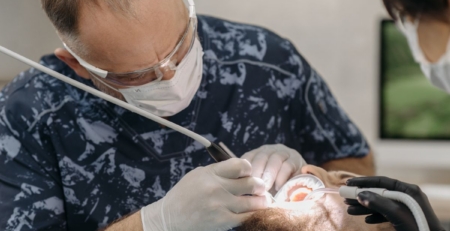
The process begins with a dental assessment. Your dentist will
examine your teeth, gums, bite and the tissues that will support the
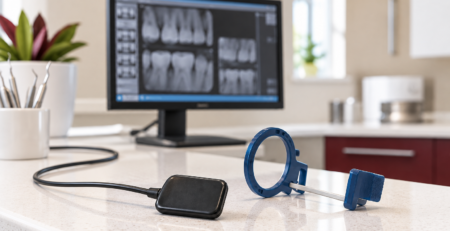
denture. Dental X-rays or other diagnostic records may be recommended
when needed.
This appointment is also an opportunity to discuss:
- Which teeth are missing or may need treatment
- Whether a complete or partial denture may be appropriate
- Other tooth-replacement options, such as a bridge or dental
implant - Your priorities for comfort, appearance and function
- The likely treatment stages, fees and follow-up care
There is no single solution that is right for everyone. Your dentist
will explain the reasonable options for your individual situation.
Step 2: Preparing your mouth
Before a denture is made, existing dental problems may need
attention. This could include treating tooth decay or gum inflammation,
restoring teeth that will help support a partial denture, or removing
teeth that cannot be retained.
If an extraction is required, the gums and supporting tissues change
shape while they heal. In some cases, a dentist may discuss an immediate
denture that can be inserted soon after teeth are removed. Immediate
dentures commonly require follow-up adjustments as healing progresses,
and they may later need to be relined or replaced. Not every patient is
a candidate, so the dentist will explain whether this approach is
suitable.
Step 3:
Impressions, measurements and bite records
Accurate records help the dental team design a denture that fits your
mouth and supports a comfortable bite. The process may include
preliminary and final impressions, measurements of your jaws, and
records showing how the upper and lower teeth should meet.
The dentist may also discuss the shape, size and shade of the
replacement teeth. The goal is a natural appearance that suits your
smile and facial features while supporting function.
Step 4: A trial fitting
For many dentures, a trial version is evaluated before the final
appliance is completed. At this visit, the dentist can assess the bite,
tooth position, appearance and support for the lips and cheeks.
You may be asked to look at the trial denture, smile and speak. This
is the right time to share questions about appearance or comfort.
Changes are easier to make before the final denture is processed.
Step 5: Receiving your
denture
At the insertion appointment, the dentist will check the fit and bite
and show you how to place and remove the denture safely. You will also
receive instructions about eating, speaking, cleaning and storage.
A new denture can initially feel unfamiliar or bulky. Some people
notice temporary changes in saliva, mild soreness or difficulty
pronouncing certain words. The muscles of the cheeks and tongue also
need time to adapt. These experiences often improve as you become
accustomed to the appliance, but persistent pain or an area that rubs
should be assessed rather than tolerated.
Never try to reshape or repair a denture yourself. Home adjustments
can damage the appliance and may injure your mouth.
Step 6: Follow-up adjustments
Follow-up visits are an expected part of denture care. The dentist
will check for pressure areas, assess your bite and make adjustments
when appropriate.
Contact the dental office if you experience:
- Ongoing pain or recurring sore spots
- A denture that clicks, rocks or repeatedly comes loose
- Difficulty chewing that does not improve
- A broken tooth, crack or bent clasp
- Persistent redness, swelling or white patches beneath the
denture
Your mouth continues to change over time, so a denture that once fit
well may eventually require professional adjustment, relining or
replacement.
Eating and speaking with
new dentures
Begin with softer foods cut into small pieces. Chew slowly and try to
use both sides of your mouth to keep pressure balanced. As comfort
improves, gradually introduce a wider variety of foods. Very hard,
sticky or tough foods may be more difficult, especially during the
adjustment period.
Reading aloud can help you practise speaking with a new denture. If a
word feels difficult, repeat it slowly. Most patients become more
comfortable as they gain experience.
How to care for
dentures and your mouth
Clean dentures every day to remove food and plaque. Rinse them over a
sink partly filled with water or over a folded towel, which can help
protect them if dropped. Use a denture brush or soft-bristled toothbrush
with a denture cleanser or mild soap. Regular toothpaste and household
cleaners may be too abrasive.
Unless your dentist gives different instructions, remove dentures
overnight to allow the tissues to rest. Keep them moist when they are
not being worn, and avoid hot water because heat can distort the
material. If your denture has metal components, ask which soaking
products are appropriate.
Continue cleaning your gums, tongue and any remaining teeth.
Partial-denture wearers still need to brush and clean between their
natural teeth carefully. Regular dental examinations remain important
even when no natural teeth remain because the dentist also checks the
fit of the appliance and the health of the oral tissues.
Frequently asked
questions about dentures
How long does it take to
get dentures?
The timeline varies according to the type of denture, whether teeth
require treatment or removal, healing needs and the number of fitting
appointments. Your dentist can provide a more useful estimate after
examining your mouth.
Will dentures look natural?
Replacement teeth are selected and arranged with your facial
features, smile and bite in mind. Results vary, but planning and trial
evaluation help the dental team create an appearance suited to the
individual patient.
Should dentures hurt?
A brief adjustment period and minor tender areas can occur, but
ongoing pain should not be ignored. The dentist can identify pressure
spots and determine whether an adjustment or other care is needed.
Can I sleep in my dentures?
The Canadian Dental Association generally advises removing dentures
overnight so the mouth can rest. Follow the instructions provided for
your particular appliance and oral-health needs.
Considering dentures in
Maple Ridge?
If missing teeth are affecting your comfort or confidence, a dental
examination can help clarify your options. Maple Ridge Dental Centre can
assess your oral health, explain suitable tooth-replacement choices and
develop an individualized plan.
Learn more about our bridges and dentures and dental implant services, or request an appointment.