Noticing blood on your toothbrush can be unsettling, especially when your teeth feel fine. Repeated bleeding deserves attention—even without pain.
At Maple Ridge Dental Centre, we can assess your gums, explain the findings and help you understand the next steps.
Why might your gums bleed?
Plaque is a sticky film of bacteria that collects on teeth. When it builds up around the gumline, it can cause inflammation known as gingivitis. Gums may look swollen or red and bleed during cleaning.
Periodontitis is a more advanced condition that can damage the tissues and bone supporting teeth. Bleeding alone cannot tell you which condition is present; a dental examination is needed.
Your dental team will also consider your medical history, medications and factors such as diabetes or tobacco use.
How can you care for your gums at home?
Gentle, consistent cleaning is important:
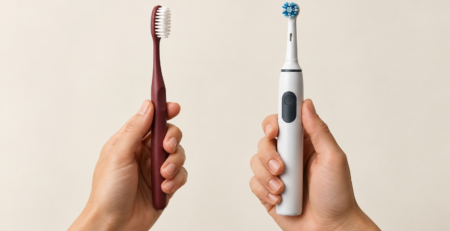
- Brush twice daily with fluoride toothpaste and a soft-bristled toothbrush.
- Clean between your teeth daily, using floss or a suitable interdental cleaner.
- Avoid forceful scrubbing or snapping floss into your gums.
- Ask your dental team to demonstrate a technique that feels comfortable.
Plaque can harden into tartar, which requires professional removal. Brushing harder will not remove it.
When should you book an appointment?
Arrange an assessment if bleeding keeps returning, particularly alongside swelling, persistent bad breath, gum recession, loose teeth or discomfort when chewing.
Before your visit, note where the bleeding occurs and how often it happens. Bring an updated medication list and mention any changes in your health.
What happens during a gum assessment?
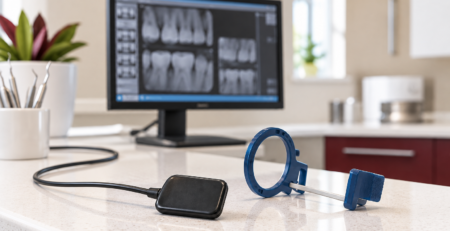
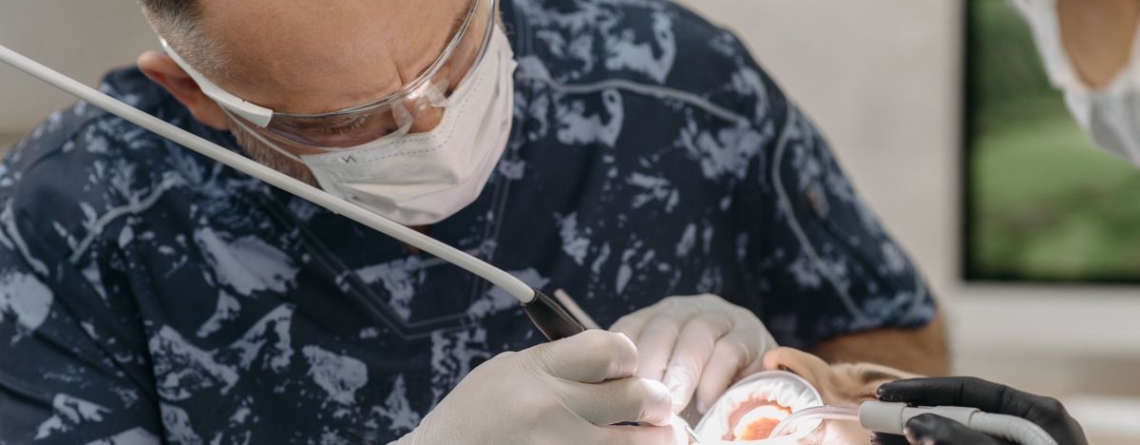
Your dentist or hygienist may examine the gumline, measure the spaces around your teeth and recommend X-rays when needed to assess supporting bone.
Care depends on the findings. It may include professional cleaning, personalized home-care guidance or periodontal treatment. More complex cases may need referral to a periodontist.
Can mouthwash replace brushing and flossing?
No. Mouthwash does not replace cleaning your teeth and the spaces between them. Your dentist may recommend a rinse as part of a specific treatment plan.
Get help with recurring gum bleeding
Learn about our periodontal care and dental exams and hygiene services.
Call 604-463-2536 or request an appointment. Our team will contact you to arrange a suitable time.
This article is general information and does not replace an individual dental assessment.