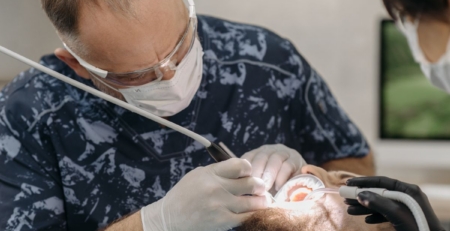
Sudden tooth pain can make it difficult to eat, sleep, or concentrate. The pain may come from decay, a crack, an irritated nerve, a damaged restoration, gum inflammation, or an infection. Because different problems can feel similar, a dental examination is the safest way to identify the cause.
Here are practical steps you can take while arranging appropriate care.
Start by Paying Attention to the Symptoms
Notice when the pain began and what makes it better or worse. This information can help your dentist understand what may be happening. Useful details include:
- whether the discomfort is sharp, dull, throbbing, or constant;
- whether biting or chewing triggers the pain;
- sensitivity to hot, cold, or sweet foods;
- swelling, a bad taste, or tenderness around the tooth; and
- recent dental treatment, an injury, or a lost filling or crown.
Even if the pain fades, the underlying issue may still need treatment. It is better to arrange an assessment than to wait for the discomfort to return or worsen.
Safe Steps for Temporary Relief
Until you can see a dentist, rinse gently with warm water and carefully floss around the sore area in case food is trapped between the teeth. If the discomfort followed an injury, a cold compress placed on the outside of the cheek may help with swelling.
Over-the-counter pain medication may provide short-term relief when taken exactly as directed. Ask a pharmacist or healthcare professional if you are unsure which product is appropriate for you, especially if you are pregnant, take other medications, have allergies, or have a medical condition.
Do not place aspirin or another pain medication directly on the tooth or gum. It can irritate or burn the tissue. Avoid very hot, cold, hard, or sugary foods if they make the pain worse, and chew on the other side of your mouth when possible.
When Tooth Pain Needs Urgent Attention
Contact a dental office promptly if the pain is severe, persistent, interrupts sleep, or is accompanied by swelling, fever, a bad taste, difficulty biting, or a broken tooth. These signs may indicate a problem that should not be delayed.
Seek emergency medical care immediately if swelling is spreading toward the eye or neck, or if you have difficulty breathing or swallowing. These symptoms can indicate a serious infection.
Why a Dental Examination Matters
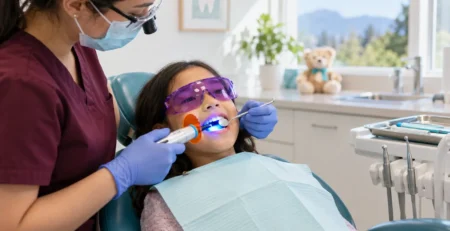
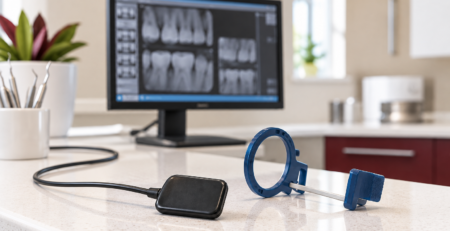
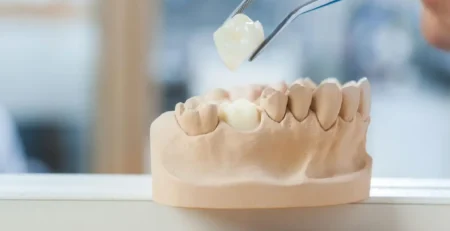
Tooth pain is a symptom, not a diagnosis. During an assessment, the dentist may examine the tooth and gums, evaluate your bite, perform sensitivity tests, and take dental images when clinically necessary. Treatment depends on the cause and may range from a simple restoration to care for the tooth’s nerve or surrounding tissues.
Antibiotics are not a substitute for treating the source of most dental pain. They are used selectively when a dentist or physician determines that they are appropriate.
How to Prepare for Your Appointment
When you call, describe the pain clearly and mention any swelling, fever, injury, or difficulty opening your mouth. Bring an up-to-date medication list and tell the dental team about relevant health conditions or allergies. If a filling, crown, or piece of tooth has come loose, keep it in a clean container and bring it with you.
If the problem involves a knocked-out tooth, significant injury, or heavy bleeding, follow the more specific steps in our dental emergency guide.
Common Questions About Sudden Tooth Pain
Should I still call if the pain stops?
Yes. Pain can temporarily settle even when decay, a crack, or irritation inside the tooth remains. Let the dental office know what happened so the team can advise you about the appropriate timing for an assessment.
Does every toothache need root canal treatment?
No. Treatment depends on the cause and condition of the tooth. Some problems may need a filling, bite adjustment, gum care, or another approach; a dental examination is needed before recommending treatment.
Should I take leftover antibiotics?
No. Antibiotics do not correct the source of most toothaches and should only be taken when prescribed for your current condition. A dentist or physician can determine whether they are appropriate.
A Calm Next Step
Sudden dental pain can be unsettling, but prompt assessment can often prevent the problem from becoming more complicated. If you have a new or worsening toothache, contact Maple Ridge Dental Centre’s emergency dental team or call 604-463-2536. We can discuss your symptoms and help determine the appropriate next step.
This article provides general information and is not a diagnosis or a substitute for care from a qualified healthcare professional.