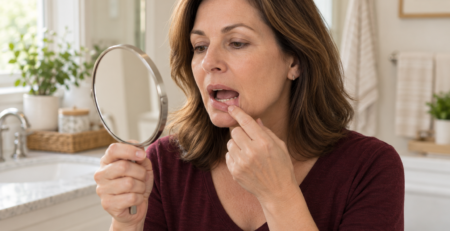
A cold drink should be refreshing. If it causes a sharp twinge, you may find yourself avoiding foods and drinks you normally enjoy.
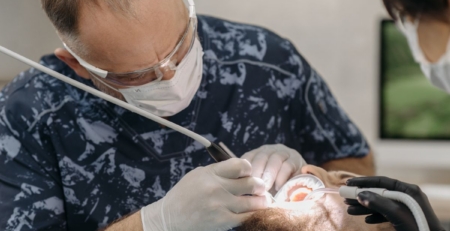
Tooth sensitivity can often be managed, but treatment depends on the cause. At Maple Ridge Dental Centre, an examination can help identify what is happening and which options are appropriate.
What causes tooth sensitivity?
Enamel protects the visible part of a healthy tooth. Beneath it is dentin, which contains tiny channels that transmit sensations toward the inside of the tooth.
When enamel wears down or gums recede, dentin may become exposed. Cold, heat and certain foods can then trigger discomfort.
Other possible causes include cavities, cracked teeth, worn fillings and gum disease. These problems can feel similar, so symptoms alone cannot provide a diagnosis.
What can you do at home?
A gentle routine may help while you arrange care:
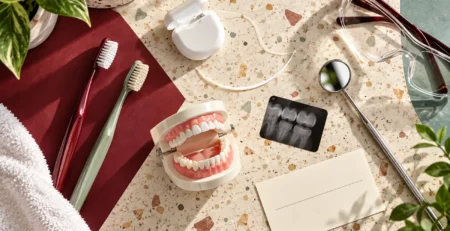
- Brush with a soft-bristled toothbrush using light pressure.
- Use fluoride toothpaste and avoid abrasive products.
- Ask your dentist whether a sensitivity toothpaste is suitable.
- Limit frequent exposure to acidic drinks and rinse with water afterward.
- Continue cleaning between your teeth carefully.
Sensitivity toothpaste may need repeated use before you notice improvement. It does not repair a cavity, crack or damaged filling.
When should you see a dentist?
Book an assessment if sensitivity persists, keeps returning or interferes with eating, drinking or brushing.
Tell your dentist which area hurts, what triggers the discomfort and how long it lasts. Mention whether symptoms started after whitening or recent dental treatment.
Can whitening make teeth sensitive?
Yes. Whitening products can cause sensitivity. If discomfort develops, pause whitening and ask your dentist for advice before continuing.
How can a dentist help?
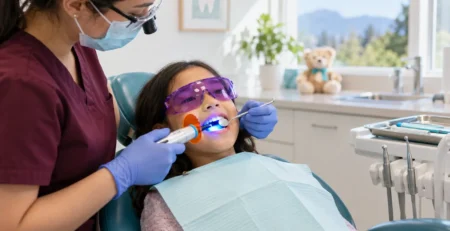
Depending on the cause, your dentist may recommend a desensitizing product, professional fluoride or a protective treatment for an exposed surface.
A cavity or damaged restoration may require a filling or other restorative care. If grinding contributes to tooth damage, your dentist may discuss whether a protective appliance is appropriate.
The aim is to address the underlying problem as well as the discomfort.
Take the next step toward comfortable eating
Explore our dental examinations and restorative dentistry services.
Call 604-463-2536 or request an appointment. Our team will contact you to confirm arrangements.
This article is general information and does not replace an individual dental assessment.