A cracked tooth does not always cause constant pain. Some cracks produce a brief, sharp sensation only when you bite, release your bite or expose the tooth to something cold. The discomfort may disappear before a dental appointment, making it tempting to wait.
Cracks can worsen over time, and early assessment may provide more options for protecting the tooth. Because several dental problems can cause similar symptoms, a cracked tooth cannot be diagnosed from pain alone.
What Is a Cracked Tooth?
A tooth may develop a small crack in its chewing surface, around an existing filling or deeper toward the root. Some lines affect only the outer enamel and require monitoring, while deeper cracks may involve dentin, the dental pulp or the root.
The location and extent of the crack influence whether the tooth can be restored. A crack is different from a completely split tooth, and not every visible line represents a serious fracture. A dental examination is needed to determine what the finding means.
Common Cracked-Tooth Symptoms
Possible signs include:
- sharp pain when biting or when pressure is released;
- pain that comes and goes rather than remaining constant;
- sensitivity to cold, heat or sweetness;
- difficulty identifying exactly which tooth hurts;
- tenderness or swelling near one tooth;
- a rough edge or missing piece of tooth; or
- new discomfort around a large filling or crown.
Some cracked teeth produce few symptoms. Others become painful when the inner pulp becomes inflamed or infected. If you have ongoing sensitivity or biting pain, arrange an assessment even if the discomfort is not severe.
Why Can Cracked-Tooth Pain Come and Go?
Biting pressure may cause cracked sections of a tooth to move slightly. This can irritate the sensitive tissues inside the tooth. When pressure is removed, the movement and discomfort may stop, which is why symptoms can feel unpredictable.
Intermittent pain does not necessarily mean the problem is minor. A crack can be difficult to see, and ordinary dental X-rays do not always show a fine fracture directly. Your description of when the pain occurs can help the dentist investigate.
What Can Cause a Tooth to Crack?
- Biting ice, hard candy, popcorn kernels or other hard objects
- A fall, sports injury or blow to the mouth
- Grinding or clenching the teeth
- Large restorations that leave less natural tooth structure
- Long-term wear and repeated chewing forces
- Sudden stress on an already weakened tooth
Cracks are not always preventable, and finding one does not mean that a patient has done something wrong.
What Should You Do Until Your Appointment?
- Avoid chewing hard or sticky foods on the affected side.
- Keep the area clean with gentle brushing and flossing.
- Rinse carefully with lukewarm water if the tooth has broken.
- Use over-the-counter pain medicine only if it is normally safe for you and follow the label.
- Do not place aspirin, clove oil or other substances directly against the tooth or gum.
- Contact the dental office if the pain increases or swelling develops.
If trauma has knocked out or displaced a tooth, or if swelling affects breathing or swallowing, seek urgent care. Our emergency dentistry page provides additional guidance.
How Does a Dentist Check for a Crack?
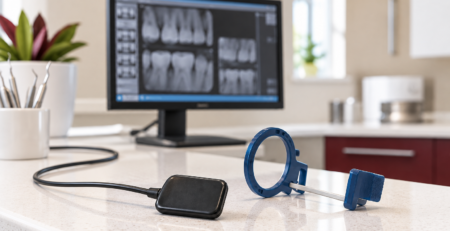
Your dentist may ask when the pain began and what triggers it. The assessment can include examining the tooth and existing restorations, checking the bite, applying gentle pressure to individual areas and testing the pulp’s response to temperature. Magnification, light and dental X-rays may also be used when appropriate.
No single test identifies every crack. The findings, symptoms and condition of the remaining tooth structure are considered together before treatment is recommended.
How Are Cracked Teeth Treated?
Treatment depends on how deep the crack extends, the part of the tooth involved and whether the pulp and supporting tissues remain healthy. Options may include:
- monitoring a superficial enamel line;
- bonding or a filling for a limited defect;
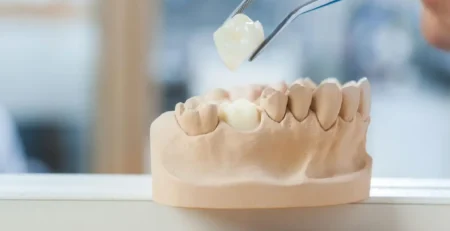
- a dental crown to cover and reinforce a restorable tooth;
- root canal treatment when the pulp is irreversibly inflamed or infected, followed by an appropriate restoration; or
- removal of a tooth that is split or cannot be predictably restored.
A dentist cannot promise that every cracked tooth can be saved. Earlier assessment can help clarify the prognosis before the damage extends farther.
Can a Cracked Tooth Heal?
Unlike bone, a crack in a tooth does not grow back together. Dental treatment may protect the tooth, reduce movement and restore function, but the outlook depends on the crack’s location and depth. Ongoing examinations remain important after treatment.
How Can You Lower the Risk?
- Do not chew ice or use teeth to open packaging.
- Wear an appropriate sports mouthguard.
- Ask about a custom night guard if you grind or clench.
- Have worn, damaged or heavily restored teeth checked regularly.
- Seek care after dental trauma even when symptoms seem mild.
Frequently Asked Questions
Does pain when biting always mean a cracked tooth?
No. Decay, a loose restoration, inflammation around a tooth and other conditions can cause similar pain. An examination is needed.
Can an X-ray show every tooth crack?
No. A fine crack may not appear directly on a routine X-ray. X-rays can still provide valuable information about decay, bone, roots and changes around the tooth.
Will every cracked tooth need a crown?
No. Treatment varies from monitoring to bonding, filling, a crown, root canal treatment or extraction. The recommendation depends on the individual tooth.
Is a cracked tooth an emergency?
A crack should be assessed promptly. Increasing pain, swelling, fever, trauma or a visibly displaced tooth requires more urgent attention.
Do Not Ignore Intermittent Biting Pain
If one tooth hurts when you chew—even if the pain comes and goes—contact Maple Ridge Dental Centre for an assessment. Identifying the cause early may help protect the tooth and prevent a more urgent problem.
References
- Journal of the American Dental Association: Do You Have a Cracked Tooth?
- Canadian Dental Association: Common Dental Emergencies
- Canadian Dental Association: Crowns
This article provides general educational information and is not a diagnosis or a substitute for individual dental or medical advice.