A damaged tooth does not always need to be removed. In many cases, a dental crown can protect the remaining tooth structure, restore comfortable function and improve the tooth’s appearance.
If your dentist has recommended a crown, understanding why it may be needed and what treatment involves can help you feel more prepared.
What Is a Dental Crown?
A dental crown—sometimes called a “cap”—is a custom-made restoration that covers the visible portion of a natural tooth. It is shaped to fit your bite and can be designed to resemble the colour and appearance of the surrounding teeth.
Unlike a filling, which replaces a portion of damaged tooth structure, a crown covers and protects more of the tooth.
When Might a Crown Be Recommended?
Your dentist may recommend a crown when a tooth cannot be predictably restored with a regular filling alone. Common reasons include:
- A large or failing filling
- A cracked, fractured or significantly worn tooth
- Extensive tooth decay
- A root canal-treated tooth that needs additional protection
- A discoloured or irregularly shaped tooth when treatment is appropriate
Crowns can also support a dental bridge or form the visible replacement tooth attached to a dental implant. An implant-supported crown is different from a crown fitted over a natural tooth.
Not every damaged tooth requires a crown. The most appropriate treatment depends on how much healthy tooth structure remains, the location of the tooth, your bite and your overall oral health.
Signs That a Tooth May Need Assessment
You cannot determine by yourself whether a crown is necessary, but certain changes should be examined by a dentist:
- Pain when biting or chewing
- A visible crack or broken portion of a tooth
- Increasing sensitivity to hot or cold
- A large filling that feels loose or damaged
- Food repeatedly becoming trapped around a restoration
- A tooth that feels rough, weak or unstable
- A temporary or existing crown that has become loose
Pain or sensitivity can have several causes, so a dental examination—and sometimes an X-ray—is needed before treatment is recommended.
Severe pain, facial swelling or fever needs urgent assessment. Difficulty breathing or swallowing, or rapidly spreading swelling, requires immediate emergency medical care. Learn more about our emergency dental care.
Could a Filling or Onlay Be Enough?
A filling may be suitable when enough strong tooth remains. An onlay covers selected chewing surfaces and may be an option between a filling and a full crown. The choice depends on the damage, remaining tooth, bite and gum support—not a fixed percentage of missing tooth.
Preparing a full crown removes tooth structure permanently. Ask why that coverage is recommended and whether a more conservative restoration would be appropriate. A deep fracture or inadequate support may mean a crown cannot save the tooth.
Does Every Root Canal Need a Crown?
No. Back teeth often need protection for their chewing cusps, but the final restoration depends on the tooth and remaining structure. Discuss the restoration as part of the root canal plan rather than assuming the same treatment suits everyone.
What Happens During Crown Treatment?
Examination and Treatment Planning
Your dentist examines the tooth, gums and bite. Dental X-rays may be used to evaluate the roots, surrounding bone and areas that cannot be seen directly.
Any active decay or other underlying concern must be addressed before the final crown is placed. Occasionally, a tooth may also require root canal treatment, gum treatment or another procedure.
Preparing the Tooth
Local anaesthetic is generally used to keep you comfortable while the tooth is prepared. Damaged or decayed tooth structure is removed, and the remaining tooth is carefully shaped to create room for the crown. If a significant portion of the tooth is missing, a foundation or core buildup may be required to support the restoration.
Creating the Dental Impression or Scan
An impression or digital scan records the prepared tooth, neighbouring teeth and bite. This information is used to design a crown that fits properly and works comfortably with the opposing teeth.
Wearing a Temporary Crown
When the final crown is being made by a dental laboratory, a temporary crown may be placed to protect the prepared tooth. Temporary crowns are not as strong as final restorations. Follow the instructions provided by your dental team and contact the office if the temporary crown becomes loose or breaks.
Placing the Final Crown
At the placement appointment, your dentist removes the temporary crown and evaluates the final restoration’s fit, shape, colour and bite. Necessary adjustments are made before the crown is secured in place. Some cases may follow a different process depending on the tooth, crown material and technology being used.
What Materials Are Used for Dental Crowns?
Common crown materials include ceramics such as porcelain and zirconia, metal alloys, and porcelain fused to metal.
There is no single material that is best for every patient. Your dentist considers the location of the tooth, chewing pressure, appearance, available space, remaining tooth structure, your bite, tooth-grinding habits and other clinical factors before recommending an option.
Will a Crown Feel Like a Natural Tooth?
A well-fitting crown is designed to function comfortably within your bite. It may feel slightly different at first, but most patients become accustomed to it.
Contact your dentist if the crown feels unusually high when biting, remains uncomfortable, becomes loose or causes persistent sensitivity. Early assessment may help prevent further complications.
How Should You Care for a Crown?
The tooth underneath a crown can still develop decay, particularly near the crown’s edge. The surrounding gums also require consistent care.
- Brush twice daily with fluoride toothpaste.
- Clean between your teeth every day using floss or another recommended aid.
- Attend regular dental examinations and professional cleanings.
- Avoid chewing ice, pens and other hard objects.
- Do not use your teeth to open packages.
- Ask about a night guard if you grind or clench your teeth.
- Contact your dentist if the crown feels loose, damaged or uncomfortable.
A crown’s longevity varies. Its condition depends on the tooth, crown material, bite forces, oral hygiene, diet and other individual factors.
Can a Crown Save Every Damaged Tooth?
No. A crown requires enough healthy tooth structure and suitable support. A tooth with a severe fracture, extensive decay or inadequate bone support may not be restorable.
Your dentist will assess whether a crown, filling, root canal treatment, extraction or another option is most appropriate. The goal is to recommend treatment based on the condition of your tooth and your individual needs.
Questions to Ask Before Treatment
- What damage does the crown address?
- Could a filling or onlay be suitable?
- Which material do you recommend, and why?
- Will I need a temporary crown or other treatment first?
- What is the written estimate, including any buildup and temporary restoration?
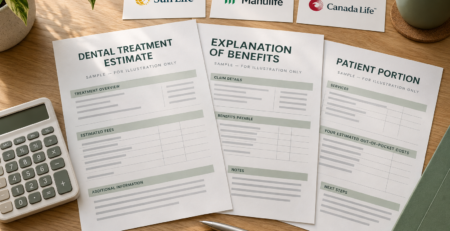
Ask your dental plan about eligibility and limits before treatment. An estimate of benefits is not a guarantee of payment.
Frequently Asked Questions
Is getting a dental crown painful?
Local anaesthetic is generally used while the tooth is prepared. Some temporary sensitivity or tenderness may occur afterward. Contact your dentist if discomfort is severe, worsening or persistent.
Does a crown prevent future cavities?
No. A crown protects the covered portion of the tooth, but decay can still develop near its edges. Daily brushing, interdental cleaning and regular dental visits remain important.
How long does a crown last?
Many crowns function for years, but there is no guaranteed lifespan. Oral hygiene, bite forces, tooth grinding, diet, crown material and the health of the supporting tooth all affect longevity.
Can a broken crown be repaired?
Minor damage may occasionally be repairable, but some crowns must be replaced. A dentist needs to examine both the crown and the supporting tooth before recommending treatment.
Have a Damaged or Weakened Tooth?
If you are concerned about a cracked tooth, large filling or existing crown, Maple Ridge Dental Centre can examine the area and discuss suitable treatment options.
Learn more about crowns, bridges and dentures.
This article provides general educational information and is not a substitute for an individual dental examination, diagnosis or treatment recommendation.