Tooth pain does not automatically mean that you need root canal treatment. Sensitivity, a cracked tooth, a loose restoration, gum inflammation and several other conditions can cause discomfort. Root canal treatment is considered when the soft tissue inside a tooth—the dental pulp—has become irreversibly inflamed, infected or no longer vital and the tooth can still be restored.
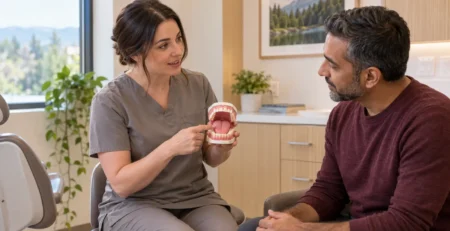
Only an examination and appropriate diagnostic tests can determine whether root canal treatment is suitable. Understanding the possible signs and the treatment steps can make the conversation with your dentist easier.
What Is the Dental Pulp?
The pulp is the soft tissue inside the tooth that contains nerves, blood vessels and connective tissue. It extends from the crown of the tooth into narrow spaces inside the roots called canals.
Deep decay, a crack, repeated dental treatment or trauma can allow the pulp to become inflamed or infected. Once it cannot recover, removing the affected pulp and sealing the canal system may allow the outer tooth to remain in the mouth.
Possible Signs You May Need Assessment
Symptoms that may be associated with pulp inflammation or infection include:
- tooth pain that starts without an obvious trigger;
- pain that lingers after hot or cold exposure;
- pain when biting or touching the tooth;
- swelling or tenderness near the tooth;
- a pimple-like bump on the gum;
- darkening after trauma; or
- a deeply decayed, cracked or broken tooth.
These symptoms do not prove that root canal treatment is required. In some cases, a tooth needing treatment causes little pain because the pulp is no longer responsive. Regular dental examinations can identify concerns before they become emergencies.
When Is the Problem Urgent?
Contact a dental office promptly for increasing pain, facial or gum swelling, fever, drainage or difficulty opening your mouth. Seek urgent medical care if swelling affects breathing or swallowing.
If a tooth has been injured, do not assume it is healthy because the pain has stopped. Changes inside a traumatized tooth can develop later and should be monitored.
How Does a Dentist Decide?
Your dentist will review your symptoms, medical and dental history and any recent trauma. The examination may include:
- checking the tooth and surrounding gum;
- testing responses to cold, touch or pressure;
- examining the bite and nearby teeth; and
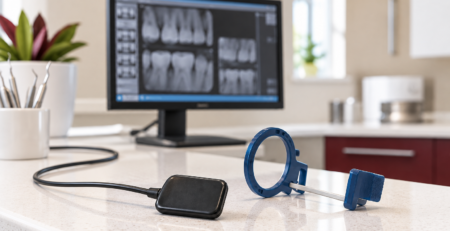
- taking dental X-rays when appropriate.
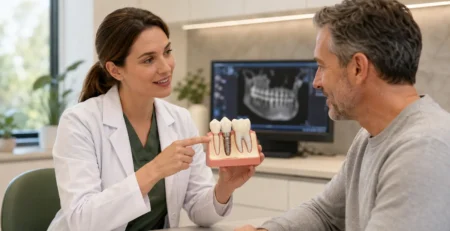
The tooth must also be evaluated to determine whether enough healthy structure remains for a durable restoration. Sometimes a consultation with an endodontist—a dentist with advanced specialty training in root canal treatment—is recommended.
What Happens During Root Canal Treatment?
Comfort and Isolation
The area is numbed with local anesthetic. The tooth is usually isolated with a protective sheet called a dental dam, which helps keep the treatment area clean and protects the mouth.
Accessing and Cleaning the Canals
A small opening is made in the tooth. The inflamed, infected or non-vital pulp is removed, and the canals are carefully cleaned and shaped.
Filling and Sealing
The cleaned canals are filled and sealed. Depending on the tooth and clinical situation, treatment may be completed in one or more appointments. A temporary filling may be used between visits.
Restoring the Tooth
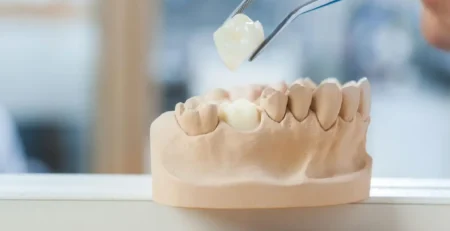
After treatment, the tooth needs an appropriate permanent restoration to seal it and restore function. A back tooth often requires a crown because it carries substantial chewing forces, but the final recommendation depends on the remaining tooth structure.
Does Root Canal Treatment Hurt?
Local anesthetic is used to make treatment comfortable. The tooth and surrounding tissues may feel tender for a short period afterward, particularly if there was pain or infection before treatment.
Follow the instructions provided by your dentist. Use over-the-counter pain medication only when it is safe for you and according to the label or professional advice. Contact the office if discomfort is severe, swelling develops, your bite feels uneven or a temporary restoration comes out.
What Should You Expect During Recovery?
- Avoid chewing hard foods on the treated tooth until the permanent restoration is completed.
- Continue gentle brushing and flossing unless given different instructions.
- Attend the restoration and follow-up visits recommended by your dentist.
- Report increasing pain, swelling, fever or a change in the temporary filling.
A root-canal-treated tooth no longer contains vital pulp, but its outer structure and supporting tissues still require normal daily care and dental monitoring.
Is Root Canal Treatment Safe?
The Canadian Dental Association and the Canadian Academy of Endodontics describe root canal treatment as an effective and safe treatment for teeth with inflamed or infected pulp. As with any procedure, the dentist should explain the diagnosis, expected benefits, limitations, alternatives and individual risks before treatment.
What Are the Alternatives?
If a tooth cannot be predictably restored or root canal treatment is not chosen, removal may be considered. A missing tooth can affect chewing and tooth position, so replacement options—such as a bridge, partial denture or dental implant—may also need discussion.
Not every tooth can be saved, and no treatment can guarantee that a tooth will last for life. The best choice depends on the condition of the tooth, gum and bone health, overall treatment plan, preferences and costs.
Frequently Asked Questions
Can antibiotics replace root canal treatment?
Antibiotics do not remove inflamed or infected pulp from inside a tooth. They may be prescribed in selected situations involving spreading infection or systemic symptoms, but the source of the dental problem still requires appropriate treatment.
Will the tooth feel normal afterward?
Many treated teeth function comfortably once healing and the permanent restoration are complete. Some initial tenderness can occur. Persistent or returning symptoms should be reassessed.
Why might I need a crown afterward?
Teeth needing root canal treatment have often lost structure from decay, cracks or previous restorations. A crown may help protect a restorable tooth from chewing forces. It is not required in exactly the same way for every tooth.
Can a general dentist perform root canal treatment?
Yes. General dentists perform many root canal procedures. More complex cases may be referred to an endodontist.
Have Persistent Tooth Pain Assessed
Root canal treatment is only one possible response to tooth pain. If discomfort lingers, wakes you at night or comes with swelling, contact Maple Ridge Dental Centre for an examination and personalized treatment discussion.
References
- Canadian Dental Association and Canadian Academy of Endodontics: Joint Public Statement on Root Canal Treatment
- Journal of the American Dental Association: Getting to the Root of Endodontic Treatments
- Canadian Dental Association: Crowns
This article provides general educational information and is not a diagnosis or a substitute for individual dental or medical advice.