Dry mouth can make speaking, eating and sleeping uncomfortable. It
may feel like a minor annoyance, but persistent dryness can also change
the way your mouth protects itself.
Saliva does much more than keep the mouth moist. It helps wash away
food particles, neutralize acids and support the minerals that protect
tooth enamel. Understanding why your mouth feels dry is therefore an
important part of protecting both comfort and oral health.
What Is Dry Mouth?
Dry mouth, also called xerostomia, describes the feeling that there
is not enough saliva in the mouth. Some people notice it only at night
or when speaking for a long time. Others experience dryness throughout
the day.
Dry mouth is a symptom rather than a disease by itself. A person can
feel dry even when some saliva is still present, and the severity of the
sensation does not always reveal the underlying cause. If dryness
persists, a dental or medical assessment can help identify contributing
factors.
Why Saliva Matters
Saliva supports oral health in several ways. It moistens the tissues,
helps with chewing and swallowing, begins the digestive process and
makes speaking more comfortable. It also helps dilute and clear acids
produced after eating.
Minerals in saliva contribute to the natural repair of early enamel
damage. When saliva flow is reduced, teeth may spend more time in an
acidic environment and food debris may remain in the mouth longer. This
is one reason persistent dry mouth can increase the risk of tooth
decay.
Common Causes of Dry Mouth
There is no single cause that applies to everyone. Common
possibilities include:
Medications
Many prescription and non-prescription medicines can contribute to
dry mouth. Examples may include some medicines used for allergies,
congestion, pain, depression, anxiety, high blood pressure and bladder
conditions.
Do not stop or change a medication on your own. If a medicine may be
contributing, speak with the prescriber or pharmacist. They can review
the timing, dosage and possible alternatives while considering the
reason the medication was prescribed.
Dehydration and temporary
illness
Not drinking enough fluid, fever, vomiting, diarrhea or heavy
sweating can temporarily reduce moisture in the mouth. Frequent caffeine
or alcohol intake may also worsen dryness for some people.
Mouth breathing and
sleep-related dryness
Sleeping with the mouth open, nasal congestion and snoring can leave
the mouth especially dry in the morning. A humidifier may improve
comfort in a dry bedroom, but persistent mouth breathing or disrupted
sleep should be discussed with an appropriate health professional.
Health conditions and
medical treatment
Certain health conditions can affect saliva production or fluid
balance. Sjögren’s disease is one example. Diabetes and some autoimmune
or neurologic conditions may also be associated with dryness. Radiation
treatment involving the head and neck can damage salivary glands, and
some cancer treatments can affect the mouth.
Tobacco, cannabis and
other irritants
Smoking, vaping and cannabis use may worsen the sensation of dry
mouth. Alcohol-containing mouth rinses can also feel drying for some
patients. Your dentist can help you select products suited to your
needs.
How Dry Mouth Can
Affect Teeth and Gums
When dryness continues, you may notice more than thirst. Possible
oral effects include:
- cavities developing more easily, including near the gumline or
around existing dental work; - increased plaque accumulation;
- sore, red or burning oral tissues;
- cracked lips or splits at the corners of the mouth;
- bad breath;
- difficulty chewing, swallowing, tasting or speaking;
- oral infections, including fungal infections; and
- discomfort or reduced stability when wearing removable
dentures.
These signs can have other causes, so an examination is important
rather than assuming dryness is responsible for every change.
Signs Worth Mentioning
to Your Dentist
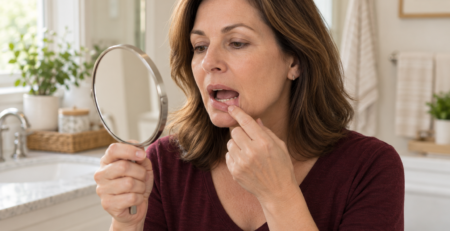
Tell your dental team if you regularly wake with a dry or sticky
mouth, need water to swallow dry foods, have difficulty speaking for
long periods, or notice a sudden increase in cavities. Thick or stringy
saliva, a burning tongue, altered taste, persistent mouth sores or
dentures that have become uncomfortable are also useful details.
It helps to bring an up-to-date list of medications, vitamins and
supplements to your appointment. Note when the dryness began, whether it
is worse at a particular time and whether you also have dry eyes,
increased thirst, nasal congestion or other symptoms.
Practical Ways to Improve
Comfort
The right approach depends on the cause, but these general steps may
help:
- sip plain water regularly rather than waiting until the mouth feels
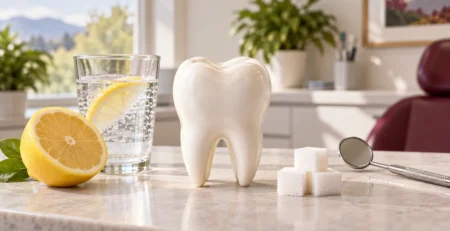
extremely dry; - chew sugar-free gum or use sugar-free lozenges if they are safe and
comfortable for you; - brush twice daily with fluoride toothpaste and clean between the
teeth; - avoid frequent sugary or acidic drinks, candies and snacks;
- limit tobacco, cannabis and alcohol;
- ask whether an alcohol-free mouth rinse or a saliva-moisturizing
product is appropriate; - use a bedroom humidifier if nighttime air is dry; and
- keep removable dentures clean and follow instructions about wearing
them overnight.
Water can improve comfort, but drinking more water does not correct
every cause of dry mouth. Products marketed for dry mouth also vary, so
ask your dental professional which options are suitable for your oral
health and medical history.
How a Dentist Can Help
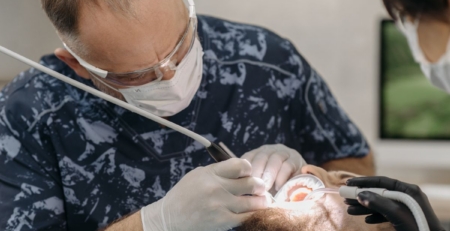
During a dental examination and
hygiene visit, the dental team can look for patterns of decay,
changes in the gums and oral tissues, plaque accumulation and problems
around fillings, crowns or dentures. They may also review your health
history, medications and daily routine.
Depending on the findings, recommendations may include a
higher-fluoride toothpaste, professional fluoride treatment, changes to
home care, more frequent preventive visits or products intended to
improve moisture. If the history suggests a medical cause, the dentist
may recommend speaking with your physician, pharmacist or another
healthcare professional.
When to Seek Care
Arrange an assessment if dryness is persistent, worsening or
affecting eating, speaking, sleep or denture comfort. Contact a
healthcare professional promptly if you also have difficulty swallowing,
signs of dehydration, unexplained swelling, significant pain, fever or a
mouth sore that does not heal.
Frequently Asked Questions
Is dry mouth a normal part
of aging?
Aging alone does not necessarily cause dry mouth. However, older
adults are more likely to take multiple medications or have health
conditions that can reduce saliva or make the mouth feel dry.
Can drinking more water
cure dry mouth?
Water often provides temporary relief and supports hydration, but it
may not resolve dryness caused by medication, mouth breathing,
salivary-gland changes or a health condition. Persistent symptoms
deserve an assessment.
Can dry mouth cause
cavities quickly?
Reduced saliva can increase cavity risk because acids and food debris
are cleared less effectively. The speed varies with saliva flow, diet,
fluoride exposure, home care and other individual factors.
Should I stop
a medication that causes dry mouth?
No. Do not stop or adjust a medication without speaking with the
healthcare professional who prescribed it. Your dentist, physician and
pharmacist can help you consider safe ways to manage the dryness.
Are
dry-mouth lozenges and rinses safe for everyone?
Not every product is suitable for every patient. Some lozenges
contain sugar or acids, and some rinses may contain ingredients that
feel irritating. Ask your dental professional for advice based on your
teeth, gums and medical history.
Sources
- National
Institute of Dental and Craniofacial Research: Dry Mouth - American
Dental Association MouthHealthy: Dry Mouth - American
Dental Association MouthHealthy: How Fluoride Fights Cavities
This article provides general information and is not a diagnosis
or a substitute for care from a dentist, physician or other qualified
healthcare professional. Recommendations should be individualized to
your health history and clinical findings.