Do you wake up with a tired jaw, sensitive teeth or a dull morning headache? These symptoms can have several causes, but they may be signs that you clench or grind your teeth while sleeping. Because nighttime grinding happens when you are not aware of it, many people only learn about it after a partner hears the sound or a dentist notices changes in their teeth.
Occasional clenching may not cause lasting harm. When it happens frequently or forcefully, however, the repeated pressure can wear down teeth, damage restorations and strain the jaw muscles. A dental assessment can help determine whether grinding is affecting your oral health and whether a custom night guard may be appropriate.
What is bruxism?
Bruxism is the medical term for clenching or grinding the teeth. It may happen while you are awake or during sleep. Awake clenching is often easier to notice and interrupt. Sleep bruxism can be harder to identify because it occurs unconsciously and may come and go over time.
Not every sore jaw or headache is caused by grinding. Tooth decay, a cracked tooth, sinus pressure, jaw-joint conditions and other health concerns can produce similar symptoms. That is why a proper examination is more useful than trying to diagnose the cause yourself.
Common signs of nighttime teeth grinding
You may not hear yourself grind your teeth, but you might notice its effects. Possible signs include:
- Jaw tightness, fatigue or soreness after waking
- Morning headaches, especially near the temples
- Flattened, shortened, chipped or cracked teeth
- New tooth sensitivity to temperature or pressure
- Worn enamel or rough edges on the teeth
- Damage to fillings, crowns or other restorations
- Indentations along the tongue or irritation inside the cheeks
- A partner hearing grinding sounds during sleep
These findings do not prove that bruxism is the cause. Your dentist will consider your symptoms, medical and dental history, bite, muscles and the condition of your teeth before recommending treatment.
Why do people grind or clench their teeth?
Bruxism does not always have one clear cause. Stress and concentration can contribute to daytime clenching. Sleep-related grinding may be associated with sleep patterns, certain medicines or substances, smoking, alcohol, caffeine, and sleep conditions such as obstructive sleep apnea. Genetics may also play a role.
If grinding begins after a medication change, do not stop the medication on your own. Discuss the timing with the prescribing health professional and tell your dentist. Loud snoring, pauses in breathing, gasping during sleep or significant daytime sleepiness should also be discussed with a physician because a night guard does not diagnose or treat sleep apnea.
How grinding can affect your teeth and jaw
Teeth are designed to tolerate normal biting and chewing forces. Grinding can place repeated pressure on them for longer periods. Over time, this may wear away enamel, aggravate sensitivity or contribute to small fractures. Existing fillings, crowns and veneers may also be placed under additional stress.
The jaw muscles may become overworked, causing tightness or discomfort. Some patients also experience jaw-joint symptoms. A night guard can protect the teeth, but it is not a guaranteed treatment for jaw pain because jaw discomfort has many possible causes.
How a dentist checks for bruxism
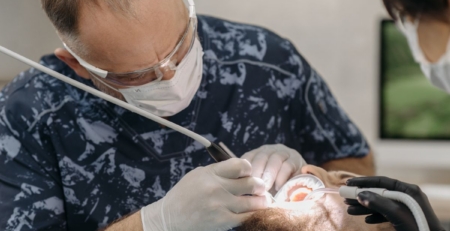
During an assessment, the dentist may ask about morning symptoms, sleep, stress, medicines and habits. The examination may include checking:
- Patterns of tooth wear
- Cracks, chips and damaged restorations
- Areas of sensitivity
- Jaw-muscle tenderness
- How the teeth meet
- Jaw movement and joint symptoms
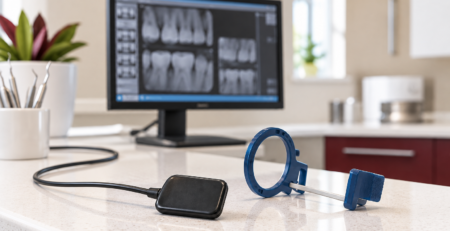
Dental X-rays or other tests are used only when clinically appropriate. Regular dental examinations can help identify changes before a tooth becomes severely worn or fractured.
How can a night guard help?
A night guard is an oral appliance worn over the teeth during sleep. Its main purpose is to separate and cushion the teeth, reducing direct tooth-to-tooth contact. This can help protect enamel and restorations from further wear or damage. Some appliances may also reduce muscle activity, but results vary.
A night guard does not necessarily stop the grinding habit, remove stress or treat an underlying sleep disorder. It is one part of an individualized plan. The dentist may recommend monitoring, changes to daytime habits, evaluation by another health professional or other care depending on the findings.
Custom night guards and store-bought guards
Over-the-counter guards are widely available, but their fit and materials vary. An appliance that is bulky, loose or uncomfortable may be difficult to wear. A poorly fitting product can also interfere with sleep or feel unstable.
A custom night guard is made using a scan or impression of your teeth. The dentist selects the design and checks the fit, bite contacts and comfort. It may need adjustment after delivery, and it should be checked periodically for wear. No appliance lasts forever, especially when grinding forces are strong.
How to care for a night guard
- Follow the cleaning instructions provided by your dental team.
- Rinse the guard after use and allow it to dry as directed.
- Store it in its ventilated case away from pets and heat.
- Do not use hot water, which may distort some materials.
- Bring it to dental appointments so its fit and condition can be checked.
Contact the dental office if the guard becomes cracked, loose, uncomfortable or changes how your teeth meet. Do not keep wearing an appliance that causes new pain or does not fit properly.
Other steps that may help
During the day, notice whether your teeth are touching when you are not eating. A relaxed resting position usually keeps the lips together while the teeth remain slightly apart. Short reminders on your phone may help you release unnecessary clenching.
Good sleep routines and appropriate stress-management strategies may also be useful for some people. Reducing late-day caffeine or alcohol may be discussed when relevant. These steps do not replace a dental or medical assessment when symptoms persist.
When should you book an appointment?
Arrange a dental evaluation if you notice ongoing jaw soreness, new tooth sensitivity, worn or chipped teeth, damaged dental work, or grinding sounds during sleep. Seek prompt care for facial swelling, fever, dental trauma, severe pain or difficulty opening the mouth.
If you are concerned about grinding or clenching, contact Maple Ridge Dental Centre. The dental team can examine your teeth and discuss whether monitoring, a custom night guard or another approach is appropriate for you.
Frequently asked questions
Does a night guard stop teeth grinding?
Its primary role is to protect the teeth by reducing direct contact. It may not eliminate the habit, and the response varies from person to person.
How long does a night guard last?
That depends on the material, the strength and frequency of grinding, daily care and changes in your teeth. Your dentist should check it regularly and replace it when it no longer fits or protects properly.
Can I use a sports mouthguard at night?
Sports mouthguards and night guards are designed for different purposes. Ask your dentist which appliance is suitable rather than substituting one for the other.
Sources
- National Institute of Dental and Craniofacial Research: Bruxism
- Mayo Clinic: Bruxism diagnosis and treatment
This article provides general education and is not a diagnosis or a substitute for individualized dental or medical advice.