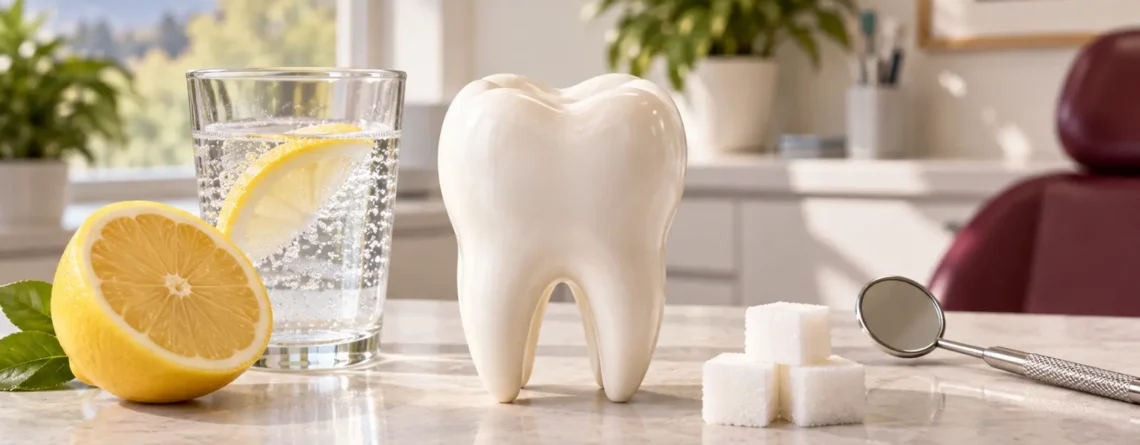
Sensitivity, yellowing or changes in the shape of a tooth do not
always mean that you have a cavity. Dental erosion and tooth decay can
both damage the hard outer surface of a tooth, but they happen in
different ways and may require different preventive strategies.
Because the early signs can look similar, it is difficult to diagnose
the cause at home. A dental examination can help determine whether the
concern is erosion, decay, another form of tooth wear or a combination
of problems.
What Is Dental Erosion?
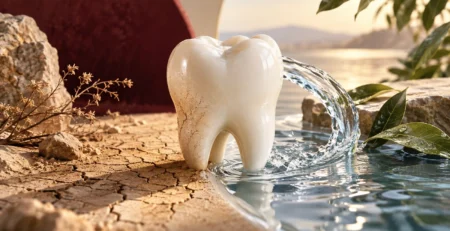
Dental erosion is the gradual loss of tooth structure caused by
direct exposure to acids that are not produced by oral bacteria. The
acid temporarily softens the surface of the enamel. Repeated exposure
can gradually wear enamel away and may eventually expose the darker,
more sensitive dentin underneath.
Common sources of acid include:
- Soft drinks, energy drinks and sports drinks
- Citrus fruits, fruit juices and flavoured waters
- Sour candies and other acidic foods
- Frequent sipping, swishing or holding acidic drinks in the
mouth - Stomach acid associated with reflux, recurrent vomiting or certain
medical conditions
It is not only the amount of an acidic food or drink that matters.
Frequent exposure throughout the day gives saliva less time to help
neutralize the mouth and support the enamel surface.
What Is Tooth Decay?
Tooth decay develops when bacteria in dental plaque use sugars and
other fermentable carbohydrates from food and drinks. The bacteria
produce acids that remove minerals from enamel. If this process
continues, a weakened area can progress into a cavity.
Factors that may increase the risk of decay include:
- Frequent sugary or starchy snacks and drinks
- Plaque remaining around or between teeth
- Inadequate exposure to fluoride
- Dry mouth or reduced saliva flow
- Areas that are difficult to clean, including around some
restorations or orthodontic appliances - Delaying routine dental examinations and professional hygiene
visits
Unlike erosion, decay is driven by bacterial plaque. However, the two
conditions can occur at the same time and may make a tooth more
vulnerable to further damage.
How Can the Signs Look
Different?
Dental erosion often affects broader, smoother areas of a tooth. The
surfaces may appear unusually shiny, flattened, rounded or slightly
hollowed. Front teeth may become thinner or more translucent near their
edges. As enamel is lost, teeth can look more yellow and become
sensitive to cold, heat or sweet foods.
Tooth decay may begin as a chalky white, brown or dark area and often
develops in places where plaque collects, such as grooves, between teeth
or near the gumline. A cavity may eventually feel rough or trap food,
but early decay can be difficult to see and may cause no symptoms.
Neither condition can be identified reliably by colour or sensitivity
alone. Cracks, exposed roots, grinding, aggressive brushing and aging
restorations can produce similar symptoms. Dental radiographs may help
identify decay between teeth, while erosion is usually assessed through
examination, history and changes observed over time.
Can Erosion and Decay
Happen Together?
Yes. An acidic drink may contribute to erosion even when it is
sugar-free. If the same drink also contains sugar, it may contribute to
both erosion and tooth decay. Reduced saliva flow can further increase
both risks because saliva helps clear food, neutralize acids and return
minerals to enamel.
This is why replacing a sugary soft drink with a sugar-free acidic
drink does not necessarily remove every dental concern. Frequency,
acidity, oral hygiene, fluoride exposure and individual risk all
matter.
Practical Ways to Protect
Your Enamel
You do not need to avoid every acidic food. The goal is to reduce
repeated exposure and give your mouth time to recover.
- Choose water as your usual drink between meals.
- Keep acidic drinks with meals rather than sipping them over a long
period. - Avoid swishing or holding acidic drinks around your teeth.
- Rinse your mouth with plain water after acidic food, drinks or
reflux. - Wait at least 30 minutes before brushing after a significant acid
exposure so you are not brushing a temporarily softened surface. - Brush twice daily with a soft-bristled toothbrush and fluoride
toothpaste. - Clean between your teeth every day to help control plaque and reduce
decay risk. - Ask your dentist whether a higher-fluoride or desensitizing product
is appropriate for you. - Speak with a physician or other appropriate healthcare provider if
reflux or recurrent vomiting may be contributing to erosion.
Do not place undiluted lemon juice, vinegar or abrasive whitening
mixtures directly on your teeth. “Natural” does not always mean
enamel-safe.
How a Dentist Can Help
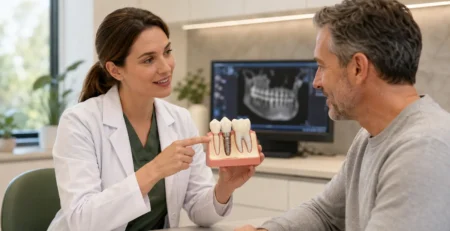
During a dental examination,
your dentist can review your symptoms, diet, medications and relevant
health history. The examination may include photographs or diagnostic
imaging when appropriate. Looking at the location and pattern of the
changes can help distinguish erosion from decay and other types of
wear.
Early management may focus on changing the source of acid, improving
plaque control, using fluoride or desensitizing products and monitoring
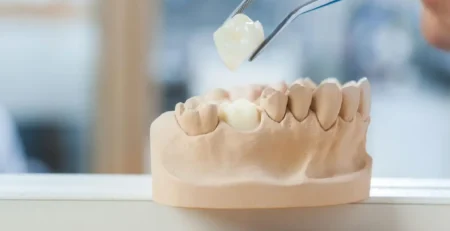
the teeth. If tooth structure has been lost or a cavity is present, restorative treatment may be
recommended to protect function and comfort. The appropriate approach
depends on the cause and severity of the damage.
Protecting
Enamel Starts with Understanding the Cause
Dental erosion and tooth decay can both progress quietly. Addressing
only the appearance of a worn or discoloured tooth without identifying
the cause may allow the problem to continue.
If you have noticed new sensitivity, thinning edges, discolouration
or changes in the shape of your teeth, contact
Maple Ridge Dental Centre at 604-463-2536 to
arrange an assessment.
This article provides general information and is not a substitute
for individualized dental or medical advice.
Frequently Asked Questions
Can lost enamel grow back?
Enamel that has been physically lost does not grow back. However,
saliva and fluoride can support remineralization of an early weakened
surface before a cavity forms. More advanced wear may require protection
or restoration.
Are sugar-free soft
drinks safe for teeth?
They may reduce exposure to sugar, but many sugar-free drinks are
still acidic and can contribute to erosion. Water is the safest everyday
choice for teeth.
Does tooth
sensitivity always mean erosion or decay?
No. Sensitivity may also be related to gum recession, exposed roots,
cracks, clenching or grinding, whitening products and other conditions.
An examination is needed to identify the likely cause.
Should I
brush immediately after drinking lemon water?
Rinse with plain water and wait at least 30 minutes before brushing.
This allows saliva time to help neutralize the mouth after acid
exposure.
Sources
- American Dental Association: Dental
Erosion - American Dental Association, MouthHealthy: Tooth
Decay - Campus G, et al. Prevention and
management of dental erosion and decay - Oral Health Foundation: Dental
Erosion