Are fluoride treatments for adults worth considering? If you remember fluoride from childhood checkups, you may wonder why a dentist would recommend it now. Adult teeth can still develop cavities, and the protection you need can change.
The question is whether extra fluoride would help your current risk, alongside the cleaning routine you already use.
What Does Fluoride Do?
Acids produced when plaque bacteria use sugars can weaken tooth surfaces. Fluoride helps strengthen teeth and supports remineralization, the repair of early mineral loss. Brushing with fluoride toothpaste is a basic preventive step for adults as well as children.
Fluoride does not replace cleaning between teeth or a dental examination. A visible hole or a painful tooth still needs assessment; applying more toothpaste is not a substitute for necessary care.
When Might Fluoride Treatments Help Adults?
Your dental team considers your recent history and what is happening now. Factors worth discussing include:
- New or recurring cavities.
- A persistently dry mouth.
- Gum recession that leaves root surfaces exposed.
- Difficulty maintaining daily oral hygiene.
- Frequent sugary snacks or drinks.
These factors do not all call for the same treatment. A dental examination and hygiene visit is a chance to review the findings and agree on a practical prevention plan.
Why Does Dry Mouth Matter?
Saliva helps protect the mouth. When its flow is reduced, tooth decay can become more likely. Medicines, certain health conditions and other factors can contribute to dryness.
Tell your dentist if you often need water to swallow food or your mouth feels persistently dry. Bring an updated medication list and do not stop a prescribed medicine yourself. Our dry mouth guide explains what to discuss with your care team.
What Do Fluoride Treatments for Adults Involve?
Daily toothpaste: For most adults, twice-daily brushing with fluoride toothpaste forms part of routine prevention.
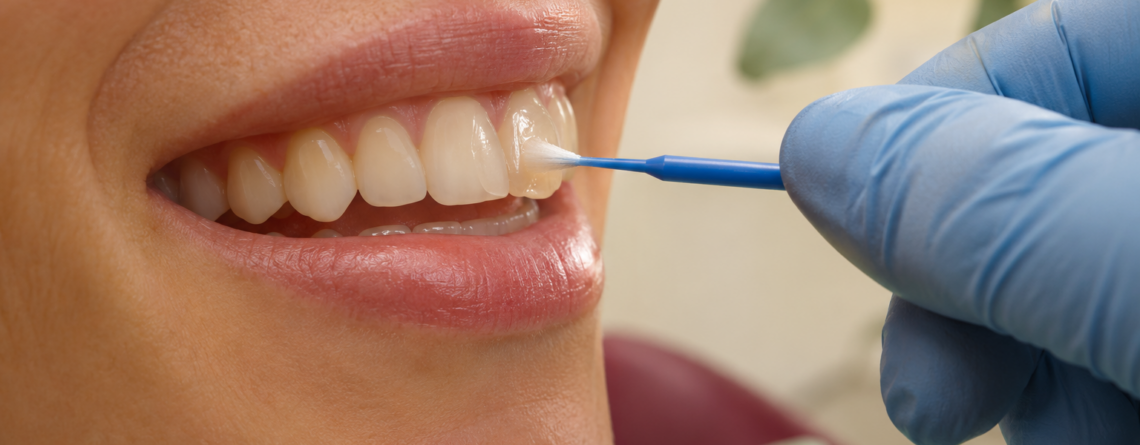
Professional treatment: A dental professional may apply a varnish or gel when extra protection is appropriate.
A higher-strength home product: Some patients may be advised to use a particular toothpaste, gel or rinse. Ask for clear instructions rather than combining products or choosing a stronger one on your own.
The right schedule depends on your risk and the product. Follow the specific instructions, including any advice about eating, drinking or brushing afterwards.
Questions to Bring to Your Appointment
- What makes my cavity risk higher or lower?
- Would my usual toothpaste be sufficient?
- What extra benefit is expected from the proposed treatment?
- How should I use the product, and for how long?
- When will we review whether I still need it?
- What will it cost, and should I check my plan first?
At your next visit in Maple Ridge, ask for an estimate and confirm any insurance contribution before care. A recommendation is easier to follow when you understand both its purpose and the daily steps.
Frequently Asked Questions
Do I need a fluoride treatment at every cleaning?
Not automatically. Ask how the recommendation relates to your current risk and whether it has changed since your last visit.
Is fluoride useful if I already have fillings?
Natural tooth surfaces can still develop new decay. Existing restorations do not remove the need for prevention.
Can fluoride replace flossing?
No. Fluoride and cleaning between teeth have different roles. See our guide to interdental cleaning tools for help choosing a routine.
Sources
- ADA MouthHealthy: Fluoride
- ADA: Topical Fluoride Clinical Practice Guideline
- ADA: Caries Risk Assessment and Management
- ADA: Xerostomia (Dry Mouth)
This article provides general information and does not replace an individual dental assessment or your dental team’s instructions.