Thinking about a brighter smile? Before choosing a whitening kit or booking treatment, consider what is causing the colour change, whether your teeth and gums are healthy, and how existing dental work may affect the result.
Start with an Assessment, Not a Shade Promise
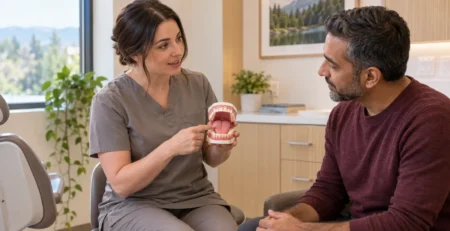
A dental examination can help identify the cause of discolouration. Surface staining and colour changes within a tooth may respond differently. A single tooth that has become dark, particularly after an injury, should be assessed rather than simply covered with whitening gel.
Tell your dentist about sensitivity, gum problems, cavities and previous whitening reactions. Untreated decay or active gum disease may need care before whitening begins. If you are pregnant or have existing dental conditions, ask for advice before using a whitening product.
In-Office, Take-Home or Store-Bought Whitening?
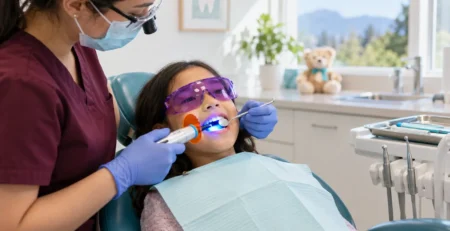
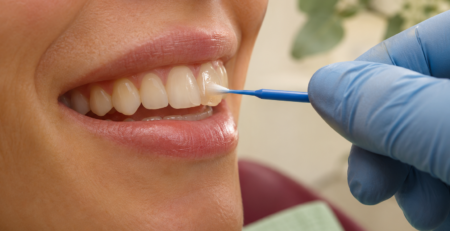
- In-office treatment: Whitening is applied by the dental team, with measures to protect the gums. Ask about the expected number of appointments and sensitivity.
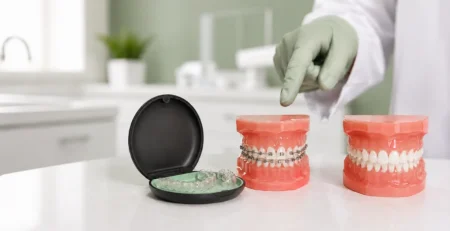
- Dentist-supervised take-home treatment: Usually involves gel and fitted trays, with instructions tailored to the product and your needs.
- Store-bought products: Strips and other kits vary. Follow the specific label rather than copying the schedule for another product.
- Whitening toothpaste: Mainly helps remove surface stains; it is not equivalent to a bleaching treatment.
There is no single method or final shade that suits everyone. Discuss your budget, timeline and dental history, and confirm which options the clinic offers.
What If You Have Front Fillings, Crowns or Veneers?
These restorations keep their existing shade while the surrounding natural teeth may lighten. Before starting, identify which restorations show when you smile and discuss whether a colour mismatch would bother you.
If new cosmetic restorations are planned, ask your dentist to coordinate whitening, shade selection and bonding. The appropriate interval depends on the treatment. Do not delay a necessary filling just to whiten first, and do not assume healthy dental work must automatically be replaced.
Sensitivity and Gum Irritation: When to Pause
Temporary sensitivity and gum irritation can occur. More gel or longer wear does not make treatment safer. Stop and contact your dental professional if your mouth becomes sore, swollen or irritated, or if pain is significant or persists. Your dentist may adjust the schedule or recommend a different approach.
Avoid swallowing gel and keep it away from the eyes and gums. Health Canada’s labelling guidance says peroxide whitening products are not recommended for children under 12; older children and teenagers also need individual professional advice.
Avoid DIY Whitening Shortcuts
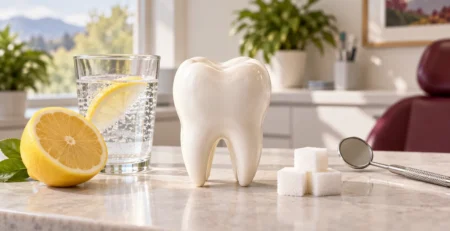
Lemon juice, vinegar and abrasive charcoal mixtures are not reliable substitutes for a properly selected whitening product. They may harm tooth surfaces, and evidence supporting charcoal whitening is insufficient. Use products as directed and ask before prolonged or repeated use.
Questions to Ask Before You Begin
- What is causing my discolouration, and is whitening suitable?
- Will any visible fillings or crowns look different afterward?
- What should I do if sensitivity develops?
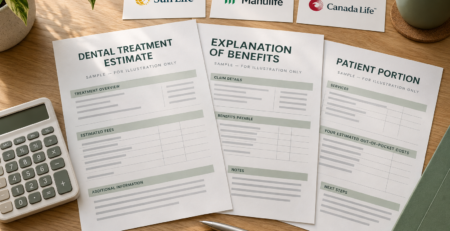
- What does the estimate include, and are follow-up visits or trays extra?
- How should I decide whether and when a touch-up is appropriate?
Whitening results are not permanent, and maintenance needs vary. Explore our cosmetic dentistry options to discuss a plan that fits your smile.
This article is general education and does not replace an individual dental assessment.
References
- American Dental Association: Whitening
- Health Canada: The Safe Use of Home Tooth Whitening Kits
- Health Canada: Safety Requirements for Peroxide Tooth Whitening Products