Cleaning dental bridges and implants is part of daily mouth care. Brush the visible surfaces and clean underneath or between replacement teeth as your dental team recommends. The right method depends on the type of bridge or implant-supported tooth you have. Ask your dental team to demonstrate the technique for your own mouth.
Why does a bridge need a different approach?
A fixed bridge replaces one or more missing teeth and stays in place for cleaning. A traditional bridge is held by crowns on nearby teeth. Other designs attach differently, including bridges supported by dental implants. Brushing the visible surfaces is important, and the area underneath the replacement tooth also needs attention.
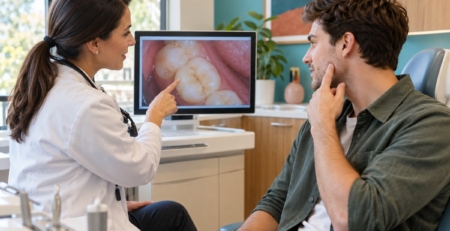
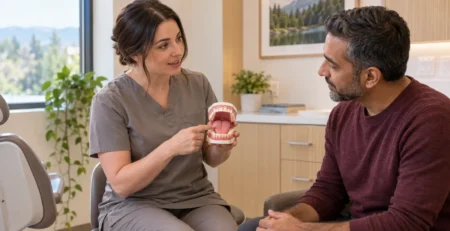
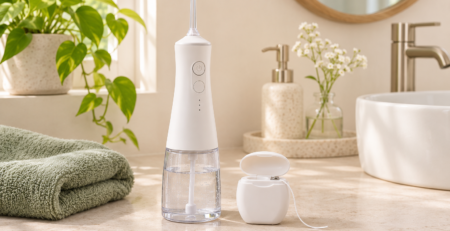
For a traditional bridge, a floss threader can guide floss beneath the replacement tooth. Your dentist or hygienist can show you how to clean underneath it and around the supporting teeth. Ask to practise during your appointment so you know which areas to reach.
What should your daily routine include?
Brush twice a day with fluoride toothpaste and clean under and around your bridge every day. Ask your dental team to choose a cleaning method you can use comfortably. For implant-supported teeth, follow the specific instructions for your restoration.
How should you clean around an implant?
Implants need regular brushing, cleaning between teeth and professional checkups. The shape of an implant crown or bridge affects access, so request specific instructions for the tools and technique suited to your restoration.
Before leaving your visit, make sure you can answer:
- Which areas need cleaning underneath or between the teeth?
- Which tool should I use for each area?
- Can I demonstrate the method back to you?
- When should I return for a maintenance visit?
If a tool is difficult to use, bring it with you and ask for help choosing a workable routine.
Which changes should you report?
Redness, tenderness or bleeding around an implant can indicate inflammation. Inflammation can affect the gums around an implant. More advanced disease can also damage the supporting bone. Regular professional monitoring remains important alongside home care.
Contact your dentist promptly for swelling, persistent bad taste or breath, or a bridge or implant restoration that feels loose. These changes need assessment rather than simply a more vigorous cleaning routine.
Do regular visits still matter?
Yes. Home care and professional care work together. A checkup lets your dentist assess the restoration and discuss areas that remain hard to clean. The interval should reflect your individual needs.
Need a practical cleaning demonstration?
Contact Maple Ridge Dental Centre to request a visit. Tell the team whether you have a tooth-supported bridge, an implant crown or an implant-supported bridge, if you know.
Related reading: Replacement options for a missing tooth and Floss or water flosser.
Sources
- Canadian Dental Association, Bridges
- Canadian Dental Association, Dental Implants
- American Academy of Periodontology, Peri-Implant Diseases
- European Federation of Periodontology, Check your symptoms
This article provides general information and does not replace an individual dental assessment or your dental team’s instructions.