If string floss is awkward to handle, a water flosser can look like an appealing alternative. But does it do the same job, and which option makes sense for your mouth?
The choice depends on the spaces between your teeth, your hand coordination and any braces or other dental work. A routine you can carry out thoroughly is more useful than a device you rarely use.
Why Brushing Alone Is Not Enough
Toothbrush bristles do not effectively reach every surface between teeth. Plaque can remain there even when the visible surfaces feel clean. Interdental cleaning helps remove this film and food debris; it does not remove hardened tartar, which needs professional care.
When String Floss May Suit You
Floss is inexpensive, portable and useful for close contacts between teeth. Ease it through the contact without snapping it into the gum. Curve it around one tooth in a C shape and move it gently along that surface, then clean the neighbouring tooth. Ask for a demonstration if the movement is difficult.
A holder or threader may make access easier. Do not force floss that repeatedly catches or shreds at the same spot; mention this at your appointment.
When a Water Flosser May Help
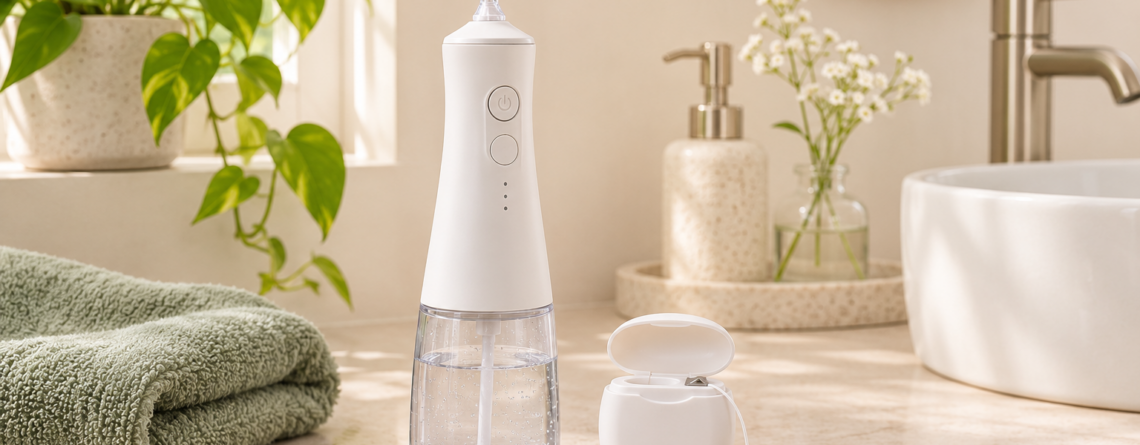
A water flosser directs pulses of water between and around teeth. It can be helpful when hand movements are difficult or braces and fixed bridges make access awkward. Devices with the American Dental Association Seal of Acceptance have evidence supporting their safety and effectiveness for specified uses, including plaque removal and reducing gingivitis.
Follow the device instructions, including pressure settings, tip selection and cleaning. If you have implants, recent surgery or sensitive tissues, ask your dental team how to use it around those areas.
What About Interdental Brushes?
Small interdental brushes may suit wider spaces. The size matters: a brush should fit without being forced. Some people benefit from different tools in different parts of the mouth. Ask which areas need floss, a brush or another approach.
Choosing a Routine at Your Next Visit
Bring your questions to a dental examination and hygiene visit. Ask the hygienist to show you one difficult area and watch you practise. Explain any problems with grip, reaching back teeth or remembering daily care.
Frequently Asked Questions
Is a water flosser always better than string floss?
No single tool is best for everyone. The right choice depends on your mouth and how effectively you use it.
Should I floss before or after brushing?
Either can fit a daily routine. Thorough, consistent cleaning matters more than choosing a particular order.
What if my gums bleed?
Use gentle technique rather than more pressure. Recurring bleeding or pain needs an assessment; see our guide to bleeding gums.
Sources
- ADA MouthHealthy: Water Flossers
- ADA: Dental Floss and Interdental Cleaners
- Canadian Dental Association: Flossing and Brushing
- ADA MouthHealthy: Flossing
This article provides general information and does not replace personalized advice from your dental or medical care team.