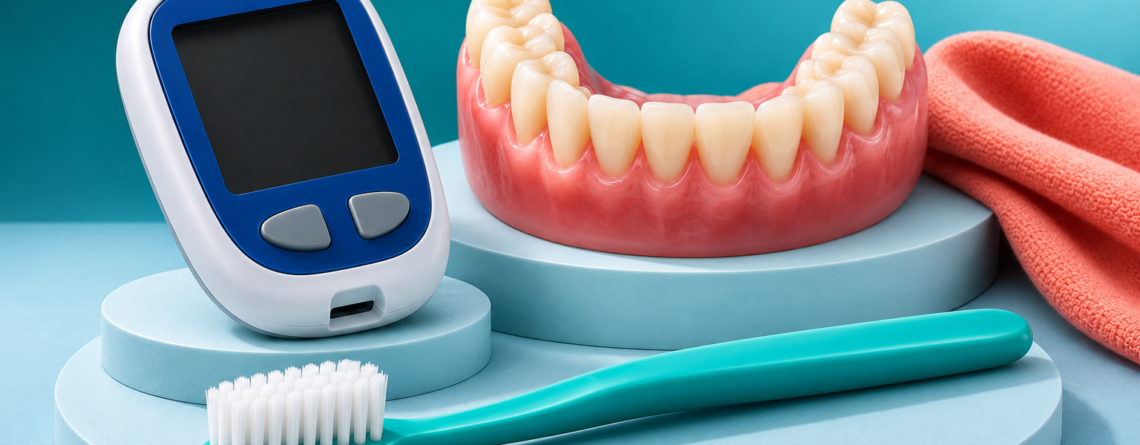
When you manage diabetes, dental care is another part of looking after your health. Changes in blood glucose can affect the mouth, and gum problems deserve attention even when teeth do not hurt.
A useful starting point is telling your dentist about your diabetes and any recent changes in your health. This helps the dental and medical teams plan care together.
How Diabetes Can Affect Your Gums
High blood glucose can affect the body’s ability to fight infection and heal. Plaque around the gumline can cause inflammation; more advanced periodontal disease damages the tissues and bone supporting teeth.
Having diabetes does not mean tooth loss is inevitable. Managing glucose and addressing dental problems early can help protect your mouth.
Changes Worth Mentioning
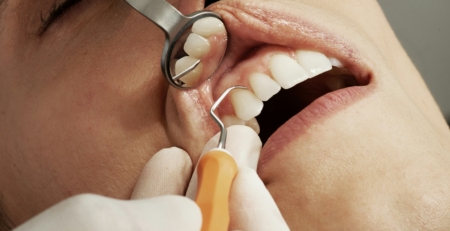
Contact your dentist about recurring bleeding, swollen gums, gum recession, loose teeth or persistent bad breath. Dryness, soreness or white patches also deserve an examination. These symptoms can have several causes and should not be diagnosed from appearance alone.
For more detail on individual symptoms, see our bleeding-gums guide or ask the office about persistent dry mouth.
Preparing for an Appointment
- Tell the team which type of diabetes you have and about recent glucose changes.
- Bring an up-to-date medication list and any recent HbA1c result available to you.
- Mention previous low-glucose episodes, healing problems and other health conditions.
- Ask for specific food and medication instructions if surgery, sedation or changes to eating are planned.
Do not independently skip meals or change diabetes medicines for a dental visit. If treatment will interrupt your usual routine, agree on a plan with the appropriate clinicians beforehand.
Building a Practical Home-Care Routine
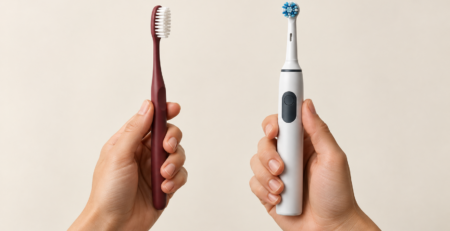
Brush twice daily with fluoride toothpaste and clean between teeth each day. Ask your hygienist to recommend tools that suit your gum spaces and dental work. Avoid tobacco, and follow your medical team’s glucose-management plan.
If your mouth feels dry, discuss it rather than relying only on extra water. Reduced saliva can increase cavity risk, and your dentist may recommend additional preventive care.
How Often Should You Have Dental Care?
The interval depends on gum health, disease risk and clinical findings. Diabetes does not create one fixed schedule for everyone. During a dental examination and hygiene visit, ask whether you need more frequent monitoring or periodontal treatment.
Frequently Asked Questions
Can a dental cleaning cure diabetes?
No. Treating gum disease is important, but it does not replace prescribed medicines, nutrition advice or medical follow-up.
Can I have dental treatment if my glucose is high?
Tell the dentist. The decision depends on your condition, the procedure and its urgency; there is no single cutoff appropriate to every patient and treatment.
Should I wait if a tooth becomes swollen?
No. Seek prompt assessment. Rapidly spreading swelling or trouble breathing or swallowing requires emergency medical care.
Sources
- NIDCR: Diabetes and Oral Health
- NIDDK: Diabetes, Gum Disease and Other Dental Problems
- CDC: Oral Health and Diabetes
- NIDCR: Oral Hygiene
This article provides general information and does not replace personalized advice from your dental or medical care team.